


Antwort What are the 4 types of sewage treatment? Weitere Antworten – What are the 5 stages of sewage treatment
Treatment Steps
- Step 1: Screening and Pumping.
- Step 2: Grit Removal.
- Step 3: Primary Settling.
- Step 4: Aeration / Activated Sludge.
- Step 5: Secondary Settling.
- Step 8: Oxygen Uptake.
- Sludge Treatment.
There are three main stages of the wastewater treatment process, aptly known as primary, secondary and tertiary water treatment. In some applications, more advanced treatment is required, known as quaternary water treatment.Stages of wastewater treatment
Wastewater can go through up to 4 levels of treatment ? primary, secondary, tertiary and advanced ? to remove waste.

What are the 4 types of wastewater treatment : Four common ways to treat wastewater include physical water treatment, biological water treatment, chemical treatment, and sludge treatment. Let us learn about these processes in detail. In this stage, physical methods are used for cleaning the wastewater.
What are the 7 steps in wastewater treatment
Wastewater Treatment Process
- Preliminary Treatment. Screening and Pumping.
- Primary Treatment. Next, the wastewater enters primary settling tanks where the flow of water slows down.
- Secondary Treatment. Aeration and Final Settling.
- Disinfection.
- Sludge Treatment.
- Waste-to-Energy.
What are the 2 major steps in sewage treatment : The sewage treatment consists of three processes:
- Primary treatment: In this process, the effluent or the sewage flows through huge tanks called the primary sedimentation tanks.
- Secondary treatment: In this process, the biological waste from human waste, soap, food waste, and detergent are substantially degraded.
SBR sewage treatment plants are renowned for their high-quality effluent level after treatment. Using air diffusers to feed the natural bacteria in the tank with the oxygen they need to survive, these systems have a primary settlement chamber and a secondary treatment chamber and work in a similar way to an ASP system.
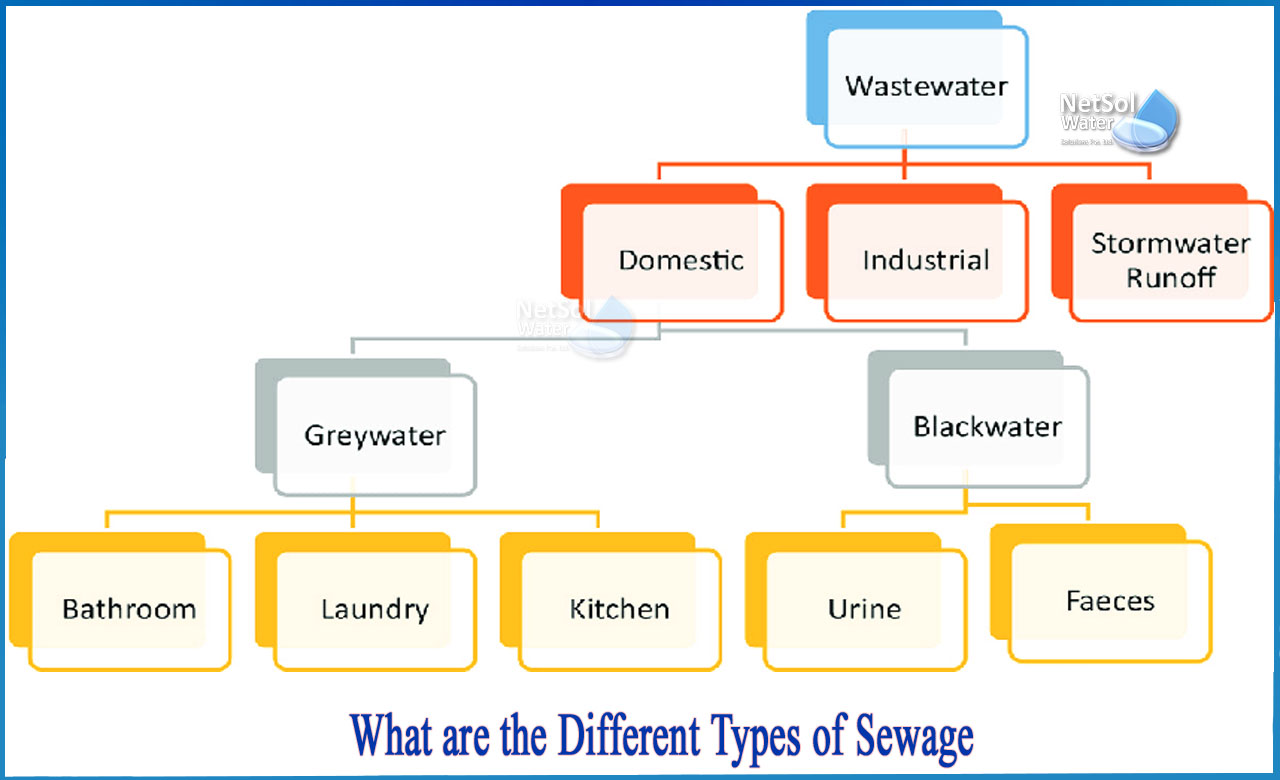
Wastewater ? two main types
In simple terms, wastewater can be described in two broad terms: sewage wastewater and non-sewage wastewater.
What are the steps of sewage treatment
Wastewater Treatment Process
- Preliminary Treatment. Screening and Pumping.
- Primary Treatment. Next, the wastewater enters primary settling tanks where the flow of water slows down.
- Secondary Treatment. Aeration and Final Settling.
- Disinfection.
- Sludge Treatment.
- Waste-to-Energy.
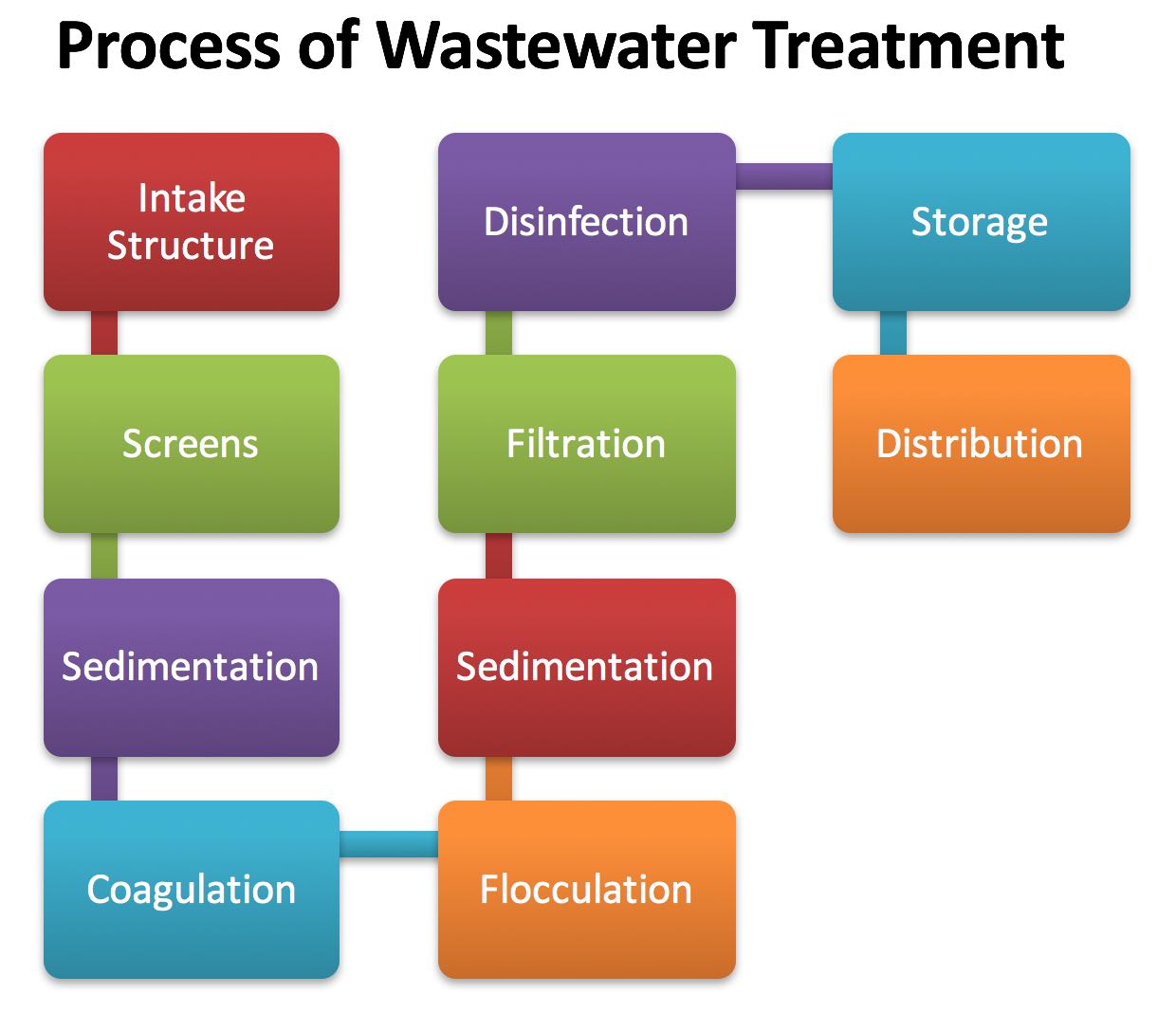
Figure 5.2 The seven steps often used in the large-scale treatment of water.
- 1 Screening.
- 2 Aeration.
- 3 Coagulation and flocculation.
- 4 Sedimentation.
- 5 Filtration.
- 6 Chlorination.
- 7 Supplementary treatment.
The Most Common Types of Wastewater Treatment Systems
- Effluent Treatment System.
- Sewage Treatment Systems.
- Activated Sludge System.
- The Importance of Sludge Removal.
- Robotic Tank Cleaning Is a Proven Tactic That Works.

What Are the Different Stages of Water Treatment
- Collection. Before the water can be treated, it must first be collected from lakes, rivers and reservoirs.
- Screening.
- Chemical addition.
- Coagulation.
- Sedimentation and clarification.
- Filtration.
- Disinfection.
- Storage.
What are the first 3 steps to treating sewage : The three stages of wastewater treatment are known as primary, secondary and tertiary. Each stage purifies water to a higher level. In some applications, only one or two stages are necessary. The level of treatment necessary depends on the water's intended use case, and what environment it will be discharged into.
What are the basics of sewage treatment : Primary Treatment
As sewage enters a plant for treatment, it flows through a screen, which removes large floating objects such as rags and sticks that might clog pipes or damage equipment. After sewage has been screened, it passes into a grit chamber, where cinders, sand, and small stones settle to the bottom.
Which country has best sewage treatment plant
Singapore: Singapore is a global leader in water management and wastewater treatment. The country has invested heavily in its wastewater infrastructure, and its sewage treatment plants are some of the most advanced in the world. Singapore also has some of the strictest water quality standards in the world.

Secondary Treatment
It generally removes 85-90% of all the pollutants. During secondary treatment, water flows through a secondary sedimentation tank that allows both solid wastes and microorganisms to form clumps and settle out of the water that is being treated.Sewage is the part of wastewater that is contaminated with feces or urine, but is often used to mean any wastewater.
What is the difference between sewer and wastewater : So, What Is Sewage Sewage contains everything that wastewater does. As we said, it is in fact a subset of wastewater. The only difference is that wastewater can come from anywhere while sewage only comes from the toilet.