


Antwort What are 4 sources of visible light? Weitere Antworten – What are sources of visible light
Approximately fifty percent of sunlight reaching the Earth's surface is visible light (400?700 nm). Other sources of visible light include lasers, light-emitting diodes (LEDs), and flash lamps.All of them are examples of artificial light, as opposed to natural light from the sun or other sources in nature.

- Incandescent Light. An incandescent light bulb like the one pictured in the Figure below produces visible light by incandescence.
- Fluorescent Light.
- Neon Light.
- Vapor Light.
- LED Light.
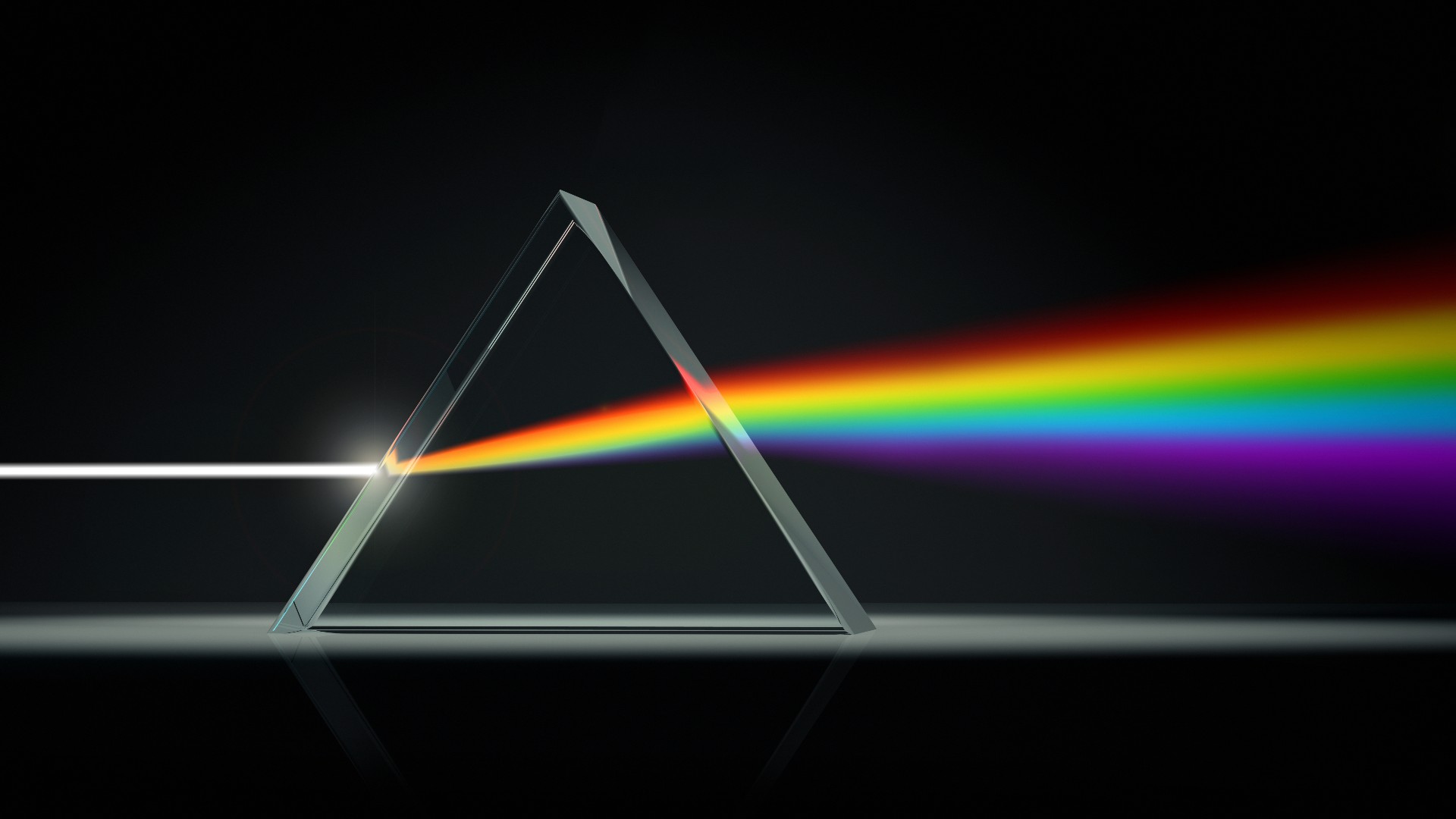
Visible light waves are the only wavelengths of the electromagnetic spectrum that humans can see. The different wavelengths of visible light are seen as the colors of the rainbow: red, orange, yellow, green, blue, indigo, and violet.

What are the 5 sources of light : Natural sources of light include the sun, stars, fire, and electricity in storms. There are even some animals and plants that can create their own light, such as fireflies, jellyfish, and mushrooms. This is called bioluminescence. Artificial light is created by humans.
What are the 10 sources of light
List of light sources
- 2.1 Bioluminescence.
- 2.2 Cathodoluminescence.
- 2.3 Chemiluminescence.
- 2.4 Cryoluminescence.
- 2.5 Crystalloluminescence.
- 2.6 Electric discharge (electrical energy)
- 2.7 Electrochemiluminescence.
- 2.8 Electroluminescence.
What are 10 natural light sources : Sun, stars, lightning, jellyfish, fireflies, glowworms, bush fires, angler fish, and other natural light sources are examples.
The different wavelengths of visible light are seen as the colors of the rainbow: red, orange, yellow, green, blue, indigo, and violet. The longest wavelengths (around 700 nanometers) are red and the shortest wavelengths (380 nanometers) are violet.

The electromagnetic spectrum includes the different forms of light waves arranged in terms of varying wavelength and frequency. These are radio waves, microwaves, infrared, visible light, ultraviolet, X-rays, and gamma rays.
What are the 7 natural sources of light
A natural source of light is light that occurs naturally without the involvement of humans. Natural sources of light can come from either an object or a living species. Sun, stars, lightning, jellyfish, fireflies, glowworms, bush fires, angler fish, and other natural light sources are examples.Natural sources of light can come from either an object or a living species. Sun, stars, lightning, jellyfish, fireflies, glowworms, bush fires, angler fish, and other natural light sources are examples.Natural sources of light include the sun, stars, fire, and electricity in storms. There are even some animals and plants that can create their own light, such as fireflies, jellyfish, and mushrooms. This is called bioluminescence.
Natural sources of light include the sun, stars, fire, and electricity in storms. There are even some animals and plants that can create their own light, such as fireflies, jellyfish, and mushrooms. This is called bioluminescence. Artificial light is created by humans.
What are the 6 forms of invisible light : They also observe other kinds of light that eyes cannot see. This invisible light includes radio waves, microwaves, infrared light, ultraviolet light, X rays, and gamma rays. All light, whether visible or invisible, is a kind of wave.
What are the 3 basic types of light : There are three basic types of lighting you should layer in a room in order to accomplish this:
- Ambient or general lighting.
- Accent lighting.
- Task lighting.
What are 8 natural light sources
Sun, stars, lightning, jellyfish, fireflies, glowworms, bush fires, angler fish, and other natural light sources are examples.
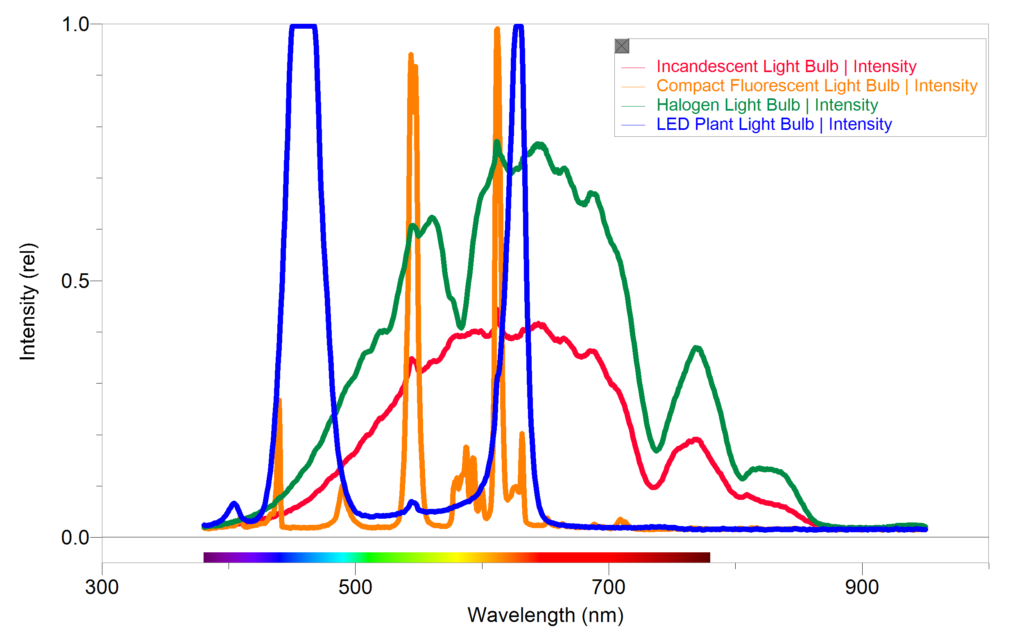
There are four main types of lights – light-emitting diodes (LED), compact fluorescent lamps (CFL), halogen lamps and incandescent bulbs.Ultraviolet light, X rays, and gamma rays all have shorter wavelengths than visible light. To observe these wavelengths, astronomers use special instruments that can detect wavelengths our eyes cannot.
What are the 5 forms of light : Gamma rays, X-rays, ultraviolet light, visible light (the visible rainbow), infrared light, microwaves, and radio waves are all forms of light, also called electromagnetic radiation. Together, they make up the electromagnetic spectrum.