


Antwort Is sewage water clean? Weitere Antworten – Is sewage water drinkable

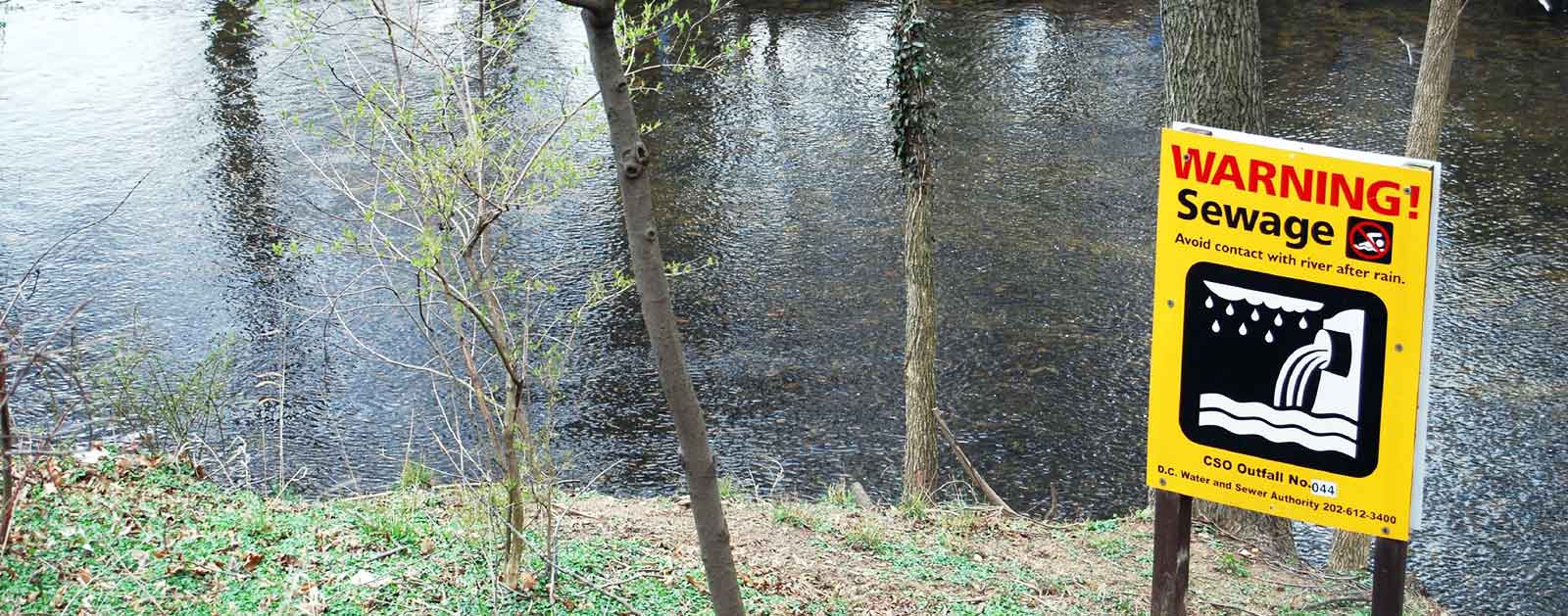
Typically, chlorine is used to kill bacteria, making the water safe for many purposes, but not for drinking. Advanced Purification: Additional steps are taken to purify the water enough to consume. It is disinfected with ozone, digested by microbes and filtered through activated carbon.Sewage contains harmful microorganisms such as bacteria, viruses and protozoa, which can cause illnesses like gastroenteritis. Sewage overflows can be caused by damaged or blocked plumbing, sewerage system backflow, septic tank damage and flood water.Sewage discharges also pollute waterways with excess nutrients that wreak havoc on coastal ecosystems by fueling harmful algal blooms that put human health at risk and result in fish kills and coral reef die-offs.
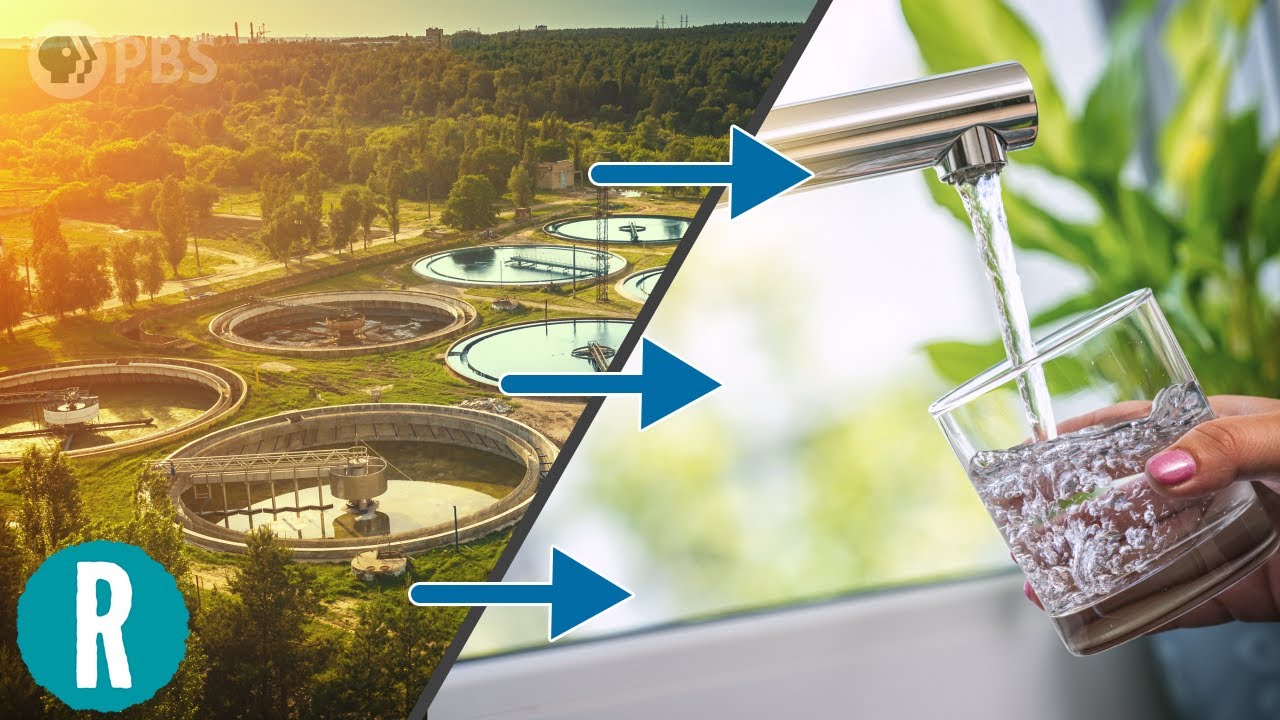
Does sewage water have bacteria : Treated sewage is also a major source of human-derived bacteria in the urban water environment, including potential pathogens that may survive the treatment process.
Do we end up drinking toilet water
Many people are already drinking treated wastewater, Esquivel said, the Associated Press reported. What exists now is wastewater treated by what's known as ?indirect potable reuse,? a process where wastewater is released into natural water bodies, such as reservoirs and rivers, before being turned into drinking water.
Is the water in the toilet drinkable : While water from the mains connection in your kitchen is safe to drink, the same cannot be said of the water in your bathroom. Drinking water from your bathroom tap is alright if you have a mains connection in your bathroom. However, drinking warm water in the bathroom isn't advisable.
Sewage contains germs like bacteria and viruses as well as parasites and worms that can cause stomach and intestine or liver illness. Germs and parasites may cause diarrhea, fever, cramps, nausea, vomiting, headache, weakness, or loss of appetite.

When you press the flush button, your wee, poo, toilet paper and water go down a pipe called a sewer. The toilet flushes the wastes down the sewer pipe.
How do they clean sewage water
In primary treatment, all that is done is to put the water in large tanks or ponds to let the solid material, called sludge, either float to the surface or settle to the bottom. The water is then usually chlorinated, and the sludge is treated and disposed of in various ways.Sewage is mainly water containing poop and pee (urine) along with toilet paper or wipes that flows through a sewer system or septic tank. Poop may contain harmful germs (bacteria and viruses), intestinal worms, and parasites.Yes, exposure to sewer gas can have many negative health effects. Signs or symptoms of sewer gas exposure may include tiredness, irritated eyes, coughing, nausea, shortness of breath, headaches, irritability, memory issues, or dizziness.

After OCSD sends treated water to the GWRS, it undergoes three processes to make it drinkable: microfiltration, reverse osmosis, and ultraviolet disinfection.
Do they purify toilet water : The GWRS system depends on the local sanitation district to supply treated sewage, which the GWRS then puts through three elaborate processes before the water is purified and suitable for drinking. The process takes about an hour and a half.
Is toilet water safe to drink for dogs : Unfortunately, yes, it is bad for dogs to drink toilet water. Drinking toilet water isn't a harmless habit, and there can be real consequences. By ignoring this problem, your pet runs the risk of picking up germs or, worse, becoming extremely ill. PetMD veterinarian Dr.
How long is sewage toxic
How long does sewage contamination last In most cases, it is strongly recommended to avoid any contact with contaminated items for at least 24 hours, but it can take up to three days to disinfect everything after a sewage backup.
Diseases Involving Sewage
- Campylobacteriosis. Campylobacteriosis is the most common diarrheal illness in the United States.
- Cryptosporidiosis. A disease caused by the microscopic parasite Cryptosporidium parvum.
- Escherichia coli Diarrhea.
- Encephalitis.
- Gastroenteritis.
- Giardiasis.
- Hepatitis A.
- Leptospirosis.
You probably don't usually think about what happens after you flush the toilet, wash your clothes or take a shower. All this water (as well as other things like dirt, washing powder and soap) flows down the drain and into the sewerage pipes connected to your property. This liquid waste is known as sewage.
Where does human waste go after flushing : wastewater treatment facility
Where does the water go after you flush the toilet or drain the sinks in your home When the wastewater flushed from your toilet or drained from your household sinks, washing machine, or dishwasher leaves your home, it flows through your community's sanitary sewer system to a wastewater treatment facility.