


Antwort Is laser surgery good for eyes? Weitere Antworten – What are the disadvantages of laser eye surgery
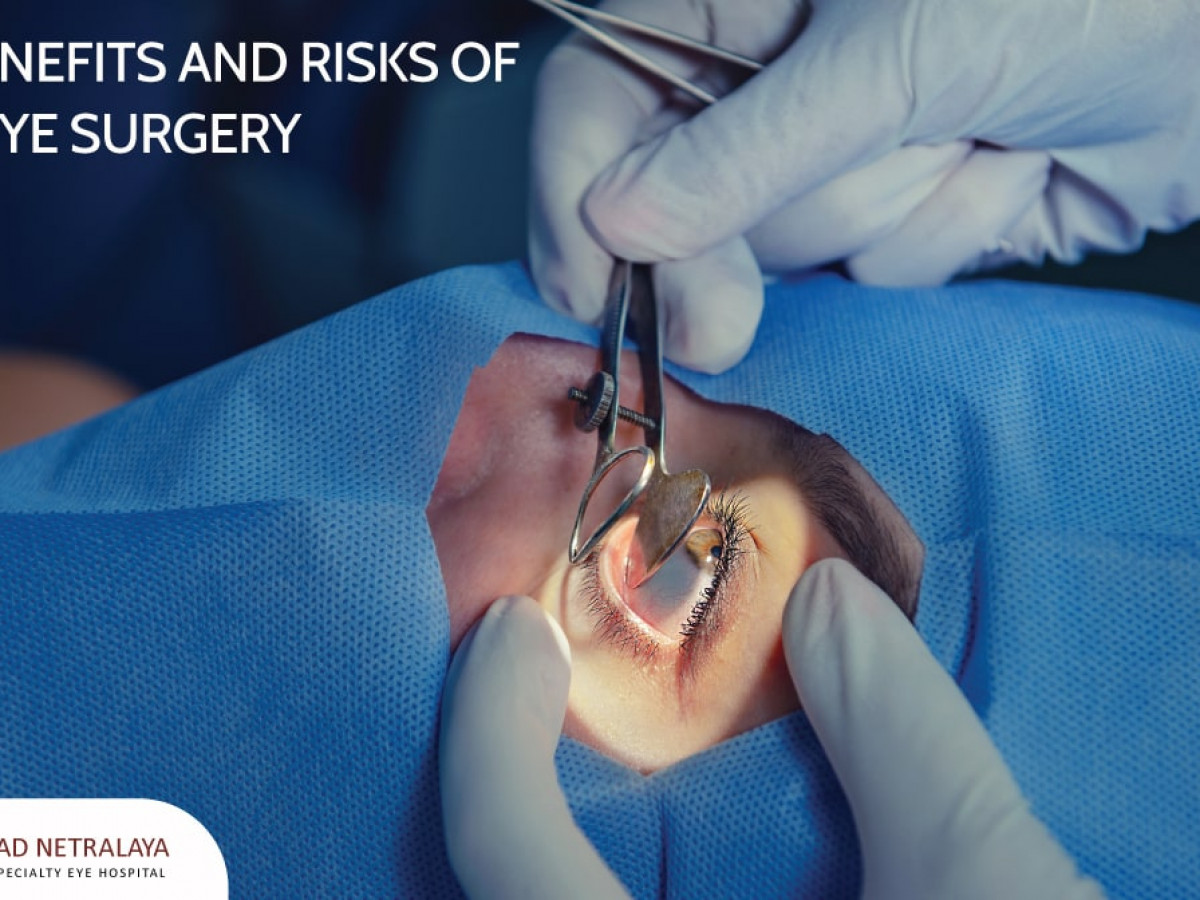
Risks of LASIK surgery include:
- Dry eyes. LASIK surgery causes a temporary decrease in tear production.
- Glare, halos and double vision. You may have a hard time seeing at night after surgery.
- Undercorrections.
- Overcorrections.
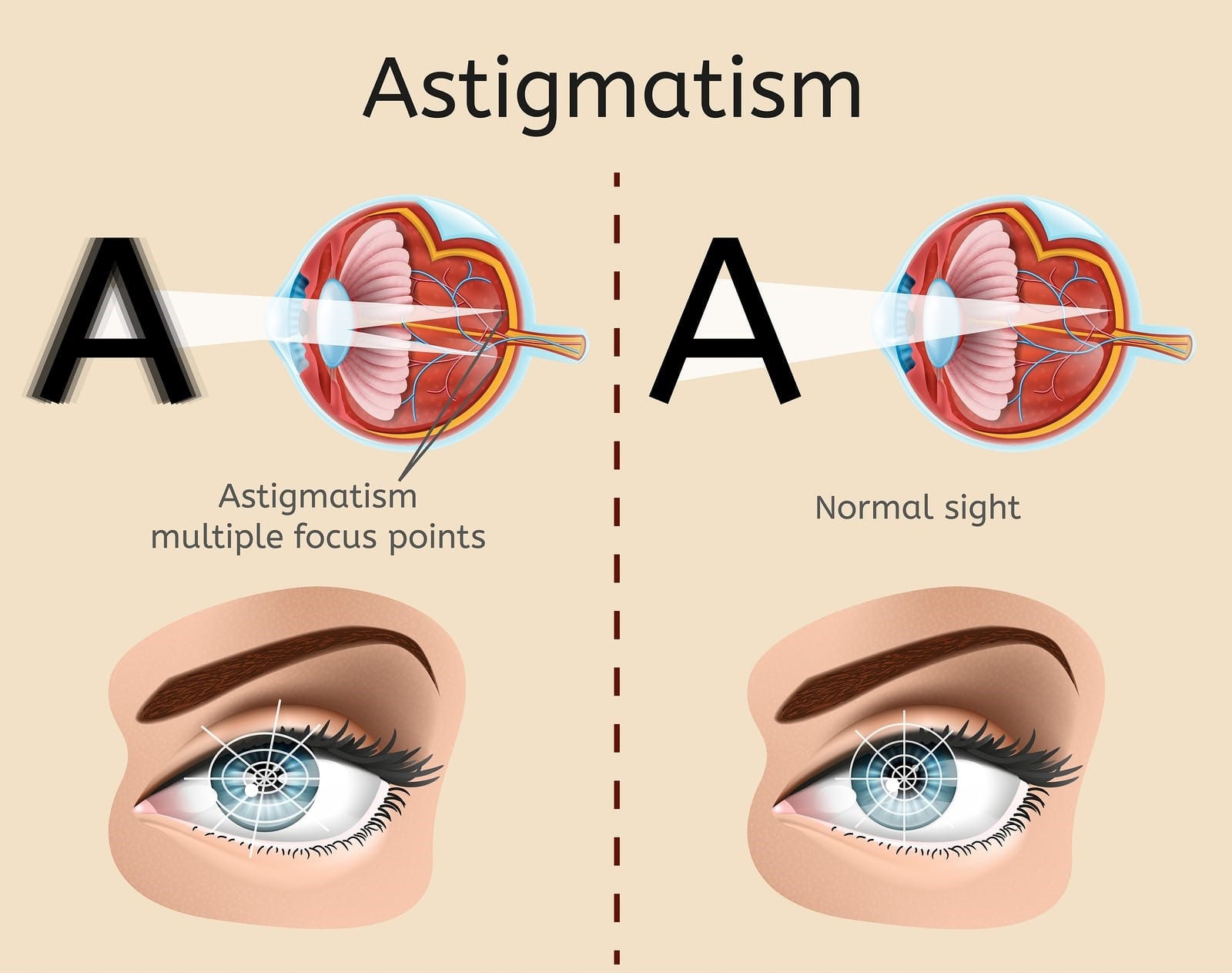
- Astigmatism.
- Flap problems.
- Corneal ectasia.
- Regression.
In general, most people who have laser-assisted in situ keratomileusis (LASIK) eye surgery achieve 20/20 vision or better, which works well for most activities. But most people still eventually need glasses for driving at night or reading as they get older.However, the natural protective mechanisms of the eye ? such as the blink reflex ? are ineffective against lasers with an output power greater than five milliwatts, and severe retinal damage may occur, even after momentary exposure. Here's what the FDA advises: Never aim or shine a laser pointer at anyone.

Does laser eye surgery permanently fix your eyes : While the effects of LASIK surgery are permanent, the benefits can decrease over time. For most patients, the results of this surgery will last a lifetime. About 10-12% of patients nationwide will need enhancement surgery because of anatomical changes to the eye/eyes.
Why is laser eye surgery not recommended
Certain conditions, such as autoimmune diseases (e.g., lupus, rheumatoid arthritis), immunodeficiency states (e.g., HIV) and diabetes, and some medications (e.g., retinoic acid and steroids) may prevent proper healing after a refractive procedure.
Can laser eye surgery go wrong : Overall, the risk of a complication requiring further treatment, by laser or any other technique, is approximately 1 in 1000, and where there is no significant visual loss. The chance of a more serious complication which would affect vision in one eye or the other, or both, is 1 in 10,000.
3% of patients have serious problems after LASIK, such as dry eyes or infection. 90% of LASIK patients experience 20/20 vision after surgery. Furthermore, 99% of patients achieve 20/40 vision. Only 3% of patients regret getting LASIK.

In general, the average age range for getting LASIK is between 20 and 40 years of age. The FDA has approved LASIK eye surgery for those 18 years and older, but most providers will encourage patients to wait until their mid-20s after their prescription has stabilized.
Can laser eye surgery cause problems later in life
While laser eye surgery does come with a small risk of side effects and complications, serious complications are incredibly rare. Most LASIK side effects aren't long term problems, and they typically improve with time as the corneas heal.This is a commonly asked question and quite understandable for those embarking on a procedure to correct their vision. The answer to this question is for the vast majority Laser Eye Surgery is permanent with a definite reduction in dependency on glasses and contact lenses.Generally speaking, most LASIK eye surgeons agree on 25-40 as the ideal age range for LASIK eye surgery candidacy for a few reasons. By the age of 25, eyeglasses and contact lens prescriptions have most likely stabilized. A stable prescription is one of the hallmarks of a good LASIK candidate.

Your eyes can change, but they will never go back to being as bad as they were prior to LASIK. PARKHURST: We think some of the basis for this myth is the reality of presbyopia ? LASIK doesn't prevent it, but it happens to most everyone. Presbyopia typically begins somewhere around the age of 40.
At what age is LASIK not recommended : There is no upper age limit for having the procedure. People can safely have LASIK surgery in their 60s and 70s if they are healthy enough to undergo surgery. However, LASIK will only stop being effective when or if the patient develops cataracts. Older teens and young adults are not typically candidates for LASIK.
Which type of laser eye surgery is safest : SMILE, LASIK, and PRK/LASEK are all clinically-proven, safe and effective methods of laser eye surgery. The three types of laser vision correction, while differing in method, have approximately the same success rate.
Can your eyesight get worse after laser surgery
For those who haven't previously worn glasses or contacts in the past, there is virtually no chance your vision after Laser Eye Surgery will be worse than before. For those who have a glasses prescription, the chances of your visual acuity being reduced by even a minute degree is around 1 in 1,000.
While laser eye surgery does come with a small risk of side effects and complications, serious complications are incredibly rare. Most LASIK side effects aren't long term problems, and they typically improve with time as the corneas heal.We generally perform LASIK on patients who are in the age range of 18-55. A refractive lens exchange is a great choice for patients who are 50 years or older who want to enjoy life without glasses, contacts, readers, or bifocals as well as stop the process of cataracts before they form.
Why is my vision worse 3 years after LASIK : Regression can cause a return of nearsightedness, farsightedness, or astigmatism, leading to blurry vision. This can occur months or even years after the surgery and may require additional treatment.