


Antwort How do veneers look after 10 years? Weitere Antworten – What happens after 15 years with veneers

What Happens After 15 Years of Veneers After 15 years, veneers may show more significant aging, including noticeable wear, discoloration, and potential changes in shape. It's common to consider replacing veneers in Phoenix at this stage to maintain their aesthetic appeal.Veneers are durable surfaces with the material having five, 10, or 20 years of longevity. However, you must replace them eventually when you think they are too old or notice damage on them that impacts your smile. As veneers age, they change shape, develop cracks and breaks and cause the gaps to widen.According to the American Dental Association, veneers last about ten years; however, they're not permanent—and how long veneers last depends on how you care for them. Most veneers are made out of porcelain that provides excellent esthetics and longevity.

Do veneers dull over time : Very old veneers (ones that were placed decades ago) may not be made out of the same high-quality materials that are in use today. They can begin to look dull with age. If that happens, you should speak to your cosmetic dentist about getting the veneers replaced.
Can you go back to normal teeth after veneers
Reversibility of Veneers
Once veneers are placed, removing them and returning them to the original teeth with some intervention is generally only possible.
Do veneers fall out with age : If you take good care of your veneers and visit your cosmetic dentist regularly, they should last 10 to 15 years before needing to be replaced. Over time, the bonding material that holds the veneers in place can begin to break down, causing the veneers to become loose or fall out entirely.
As for the underlying tooth or teeth involved, nothing bad happens. Since a dentist only has to remove a small amount of enamel, nerves and roots are never touched. With the veneers in place, the person's natural teeth remain intact. The natural teeth simply serve as the foundation for the new veneers.

Drawbacks of Dental Veneers:
But there is still a possibility of chipping, breaking, and detachment. Though they can be replaced, the process must be repeated, making it costly. Because some enamel is chipped away to make room for veneers, your teeth could become more sensitive to hot and cold foods and drinks.
What happens after 20 years of veneers
The veneer can be intact and strong even if the underlying tooth is not. However, after a long time, it may begin to separate from the tooth, which can cause food debris to hide between the tooth and the veneer. This can lead to tooth decay. Poor oral hygiene can also cause staining of the veneer.Most people do not have any regrets about moving forward with veneers. If anything, they regret having waited so long to correct their smile.Porcelain veneers can be very natural looking, but if they are made cheaply with no regard to your natural smile, they may end up looking fake. This is a question I get asked almost anytime I bring up veneers as a potential treatment option for my patients.

As for the underlying tooth or teeth involved, nothing bad happens. Since a dentist only has to remove a small amount of enamel, nerves and roots are never touched. With the veneers in place, the person's natural teeth remain intact. The natural teeth simply serve as the foundation for the new veneers.
What happens to veneers if you don’t replace them : The veneers will start separating from the tooth, making it easier for bacteria to get in. Over time, the tooth under the veneer will decay. The veneers may become loose and fall out, leaving your teeth exposed and unprotected. The veneers will stain and lose their brightness, giving you a dull, yellowish smile.
Can I go back to normal teeth after veneers : Reversibility of Veneers
Once veneers are placed, removing them and returning them to the original teeth with some intervention is generally only possible.
Does anyone regret veneers
Most people do not have any regrets about moving forward with veneers. If anything, they regret having waited so long to correct their smile. Veneers can erase years and years of insecurities and confidence issues.
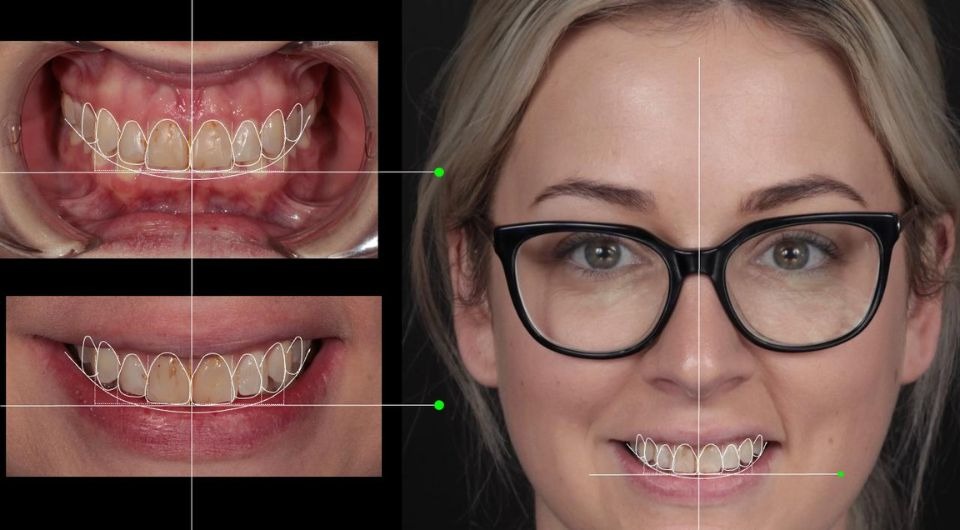
Teeth May Decay Under Veneers
If your tooth feels loose, sore, or sensitive, you may be experiencing tooth decay under the veneer. Sensitivity along the gum line near the veneer is also a cause for concern.Most modern veneers are made from translucent composite materials. This means that they will generally have a natural appearance. However, if incorrectly applied, they can result in some very fake-looking veneers.
Do people regret veneers : Most people do not have any regrets about moving forward with veneers. If anything, they regret having waited so long to correct their smile.